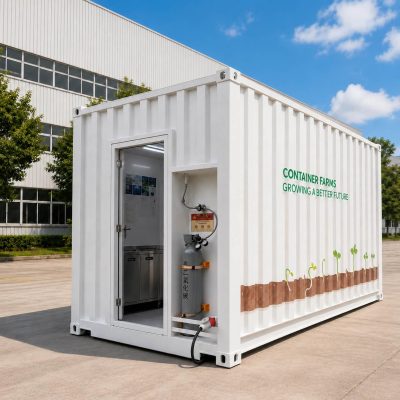







Hydroponic system cost is a key consideration for investors entering the controlled environment agriculture industry.
Unlike traditional farming, hydroponic systems require structured investment in infrastructure, irrigation systems, automation technology, and environmental control systems.
Understanding cost distribution and ROI structure is essential for building a scalable and profitable commercial farming project.
This article explains hydroponic system cost structure, investment breakdown, and long-term ROI analysis.
What Determines Hydroponic System Cost?
Hydroponic system cost depends on multiple engineering and operational factors.
The most important cost drivers include system design, automation level, energy consumption, and integration with controlled agriculture environments.
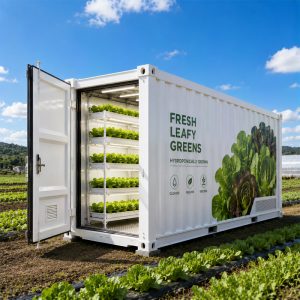
In advanced setups, systems are often combined with container farm structures for modular agricultural production, which directly affects total investment scale and flexibility.
Infrastructure Investment Cost
Infrastructure forms the foundation of hydroponic systems.
It includes:
- Growing racks or vertical systems
- NFT channels or planting beds
- Structural framework
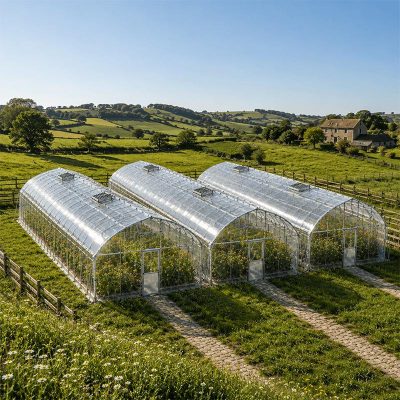
- Support systems for greenhouse integration
Infrastructure design directly affects system scalability and long-term efficiency.
Irrigation and Nutrient System Cost
Irrigation systems are the core of hydroponic farming.
Cost components include:
- Water circulation pumps
- Nutrient dosing systems
- Reservoir tanks
- Filtration and monitoring equipment
Efficient irrigation design reduces water waste and increases crop consistency.
Climate Control and Energy Cost
Climate control systems are essential in commercial hydroponic farming.
These include:
- Cooling and ventilation systems
- Heating systems
- Humidity regulation systems
- Air circulation control
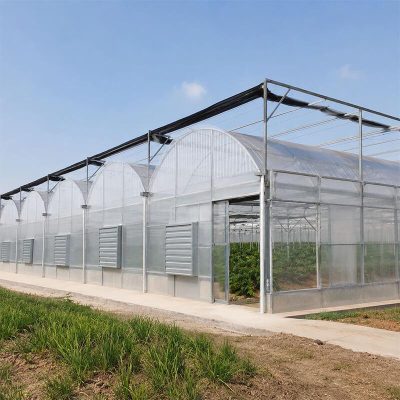
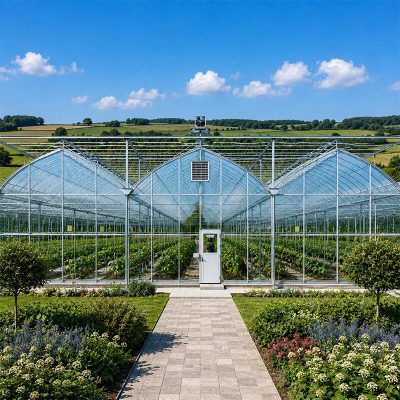
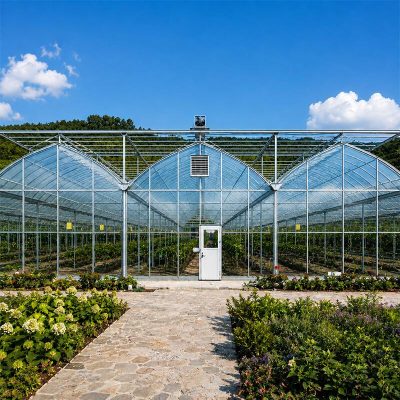
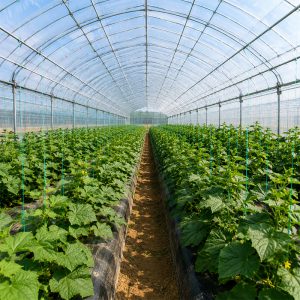
In advanced agricultural setups, climate systems are often integrated with greenhouse structures such as multi-span greenhouse systems for large-scale farming operations, improving stability and yield consistency.
Automation System Cost
Modern hydroponic systems rely heavily on automation.
Automation includes:
- pH and EC monitoring sensors
- Nutrient dosing automation
- Environmental control systems
- Smart farming dashboards
Although automation increases upfront cost, it significantly improves operational efficiency.
Operational Cost and Maintenance
Operational costs include:
- Electricity consumption
- Labor cost
- System maintenance
- Replacement of components
Proper system design reduces long-term operational burden and improves ROI performance.
ROI Analysis
Hydroponic system ROI depends on crop type, system efficiency, and market conditions.
Well-designed systems can achieve:
- Faster crop cycles
- Higher yield per square meter
- Reduced resource consumption
- Stable year-round production
Most commercial systems achieve ROI within 2–5 years depending on scale and automation level.
商业应用
Hydroponic system cost models are widely used in:
- 垂直农业系统
- Container farming systems
- Greenhouse integrated agriculture
- 城市农业项目
- 受控环境农业系统
These systems are particularly effective in regions with limited farmland or unstable climate conditions.
Cost Optimization Strategies
Investors can reduce hydroponic system cost through:
- Modular system design
- Energy-efficient climate control
- Optimized irrigation planning
- Scalable infrastructure planning
Proper engineering design ensures balance between cost and productivity.
结论
Hydroponic system cost and ROI structure play a critical role in commercial agriculture investment decisions.
A well-designed system ensures better profitability, operational efficiency, and long-term scalability in modern farming industries.
常见问题
What is hydroponic system cost?
It refers to the total investment required to build and operate a hydroponic farming system.
What is the most expensive part of hydroponic systems?
Infrastructure and climate control systems are usually the largest cost components.
水培种植有利润吗?
Yes, it offers high yield efficiency and strong ROI in commercial agriculture.
How long is hydroponic ROI cycle?
Typically between 2 to 5 years depending on system scale and design.
Can hydroponic systems be integrated with containers or greenhouses?
Yes, they are often combined with container farms and greenhouse systems for better scalability.