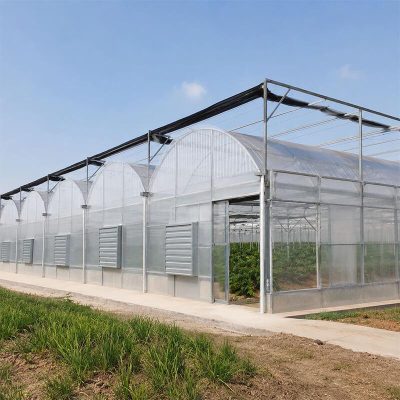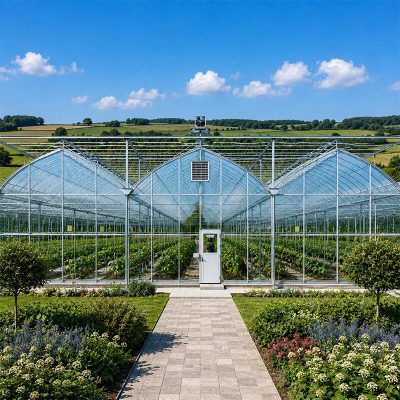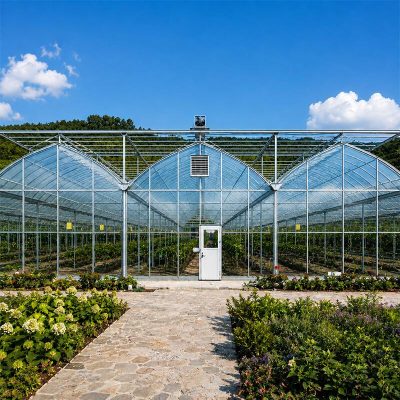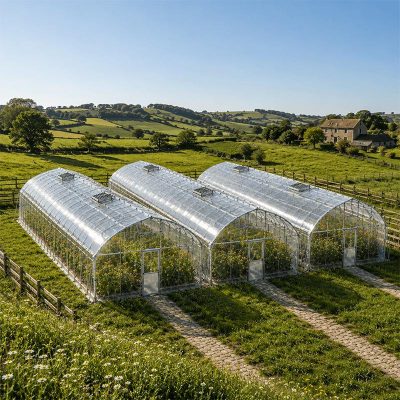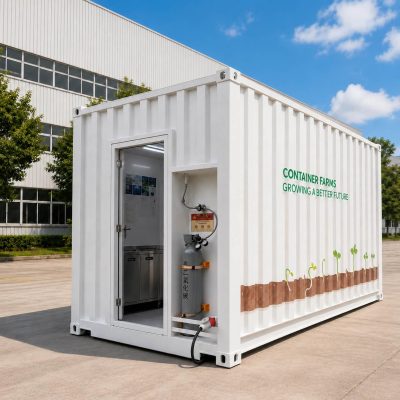







Hydroponic system design for lettuce farming has become a key focus in modern controlled environment agriculture due to the increasing global demand for high-quality leafy vegetables.
Unlike traditional soil-based farming, hydroponic systems allow lettuce to grow in a controlled environment where water, nutrients, and environmental conditions are precisely managed.
In commercial agriculture, system design plays a critical role in determining yield efficiency, production stability, and operational cost.
A well-structured hydroponic system design ensures optimal plant growth, reduces resource waste, and improves scalability for large farming projects.
What Is Hydroponic System Design for Lettuce Farms?
Hydroponic system design for lettuce farms refers to the engineering process of planning and structuring a soilless cultivation system specifically optimized for lettuce production.
This includes layout planning, nutrient delivery systems, irrigation configuration, lighting setup, and environmental control integration.
In controlled environment agriculture systems, lettuce is one of the most commonly grown crops due to its fast growth cycle and high market demand.
For beginners, understanding hydroponic farming system principles is essential before designing a full production system.
Key Design Principles of Hydroponic Lettuce Systems
A successful hydroponic system design must focus on several engineering principles:
- Efficient water and nutrient distribution
- Stable oxygen supply to root systems
- Optimized plant spacing for maximum yield
- Energy-efficient system layout
- Environmental stability within growing zones
These principles ensure that lettuce grows uniformly and efficiently under controlled conditions.
System Layout Design
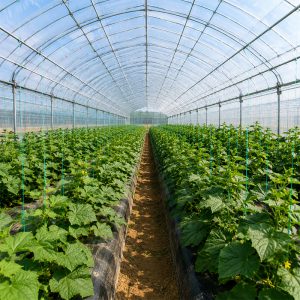
The layout of a hydroponic lettuce farm directly impacts productivity and operational efficiency.
Common layout structures include:
- Horizontal NFT channel systems
- Vertical stacking hydroponic systems
- Rack-based cultivation systems
- Modular greenhouse integration layouts
In large-scale projects, system layout is often combined with 适用于热带气候农业项目的温室设计 to ensure environmental stability in high-temperature regions.
Nutrient Delivery System Design
The nutrient delivery system is one of the most critical components of hydroponic design.
It includes:
- Nutrient solution reservoirs
- Pumping systems
- Distribution pipelines
- Return flow channels
Proper design ensures that all lettuce plants receive consistent nutrient concentrations, improving uniform growth and yield quality.
Irrigation and Water Flow Optimization
Water flow design plays a key role in hydroponic efficiency.
A well-designed system ensures:
- Continuous nutrient circulation
- Reduced water waste
- Balanced oxygen levels in root zones
- Stable pH conditions
This is especially important in commercial hydroponic farming systems where production consistency is critical.
Climate Control Integration
Hydroponic lettuce systems are often integrated with greenhouse environments to maintain stable growing conditions.
Climate control systems regulate:
- 温度
- Humidity
- 空气流通
- Light exposure
These systems are essential in controlled environment agriculture to prevent stress conditions that affect lettuce growth.
Vertical Hydroponic Design Systems
Vertical farming structures are increasingly used in hydroponic lettuce production due to their space efficiency.
Vertical systems allow:
- Higher planting density
- Efficient land usage
- Scalable production systems
- Improved lighting efficiency
This design is particularly suitable for urban agriculture and indoor farming environments.
Crop Efficiency and Yield Optimization
Lettuce is highly suitable for hydroponic systems due to its short growth cycle.
Proper system design can significantly improve:
- Growth speed
- Leaf quality
- Harvest consistency
- Production cycles per year
Efficient design also reduces disease risk and improves operational stability.

Commercial Importance of Hydroponic Design
Hydroponic system design is not only a technical process but also a commercial planning strategy.
Well-designed systems provide:
- Predictable production output
- Lower operational risks
- Higher ROI for agricultural investors
- Scalable farming models
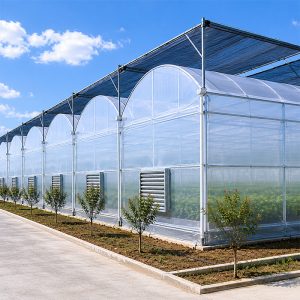
For investment planning, system design must align with 商业农业系统中的温室类型 to ensure structural compatibility and efficiency.
结论
Hydroponic system design for lettuce farms is a critical component of modern agricultural engineering.
By optimizing layout, nutrient delivery, irrigation, and environmental control, commercial farms can achieve higher productivity and sustainable production systems.
As controlled environment agriculture continues to expand globally, hydroponic design will remain a core technology for future farming systems.
常见问题
What is hydroponic system design for lettuce farming?
It is the planning and engineering of a soilless cultivation system optimized for lettuce production.
Why is lettuce suitable for hydroponic systems?
Because it has a fast growth cycle and adapts well to controlled environments.
What is the best hydroponic system for lettuce?
NFT and vertical hydroponic systems are commonly used.
Can hydroponic systems be used in greenhouses?
Yes, they are often integrated with greenhouse systems for better climate control.